
Trauma-informed care · Edmonton & Leduc

IDENTITY · RELATIONSHIPS · BELONGING

Indigenous Values.

Respecting identity. Listening to each person.

Our trauma-informed approach to supporting First Nations, Métis and Inuit children, youth and adults begins with listening and cultural respect. An individualized Culture Continuity Plan, developed with the person and, where appropriate, their family, community or Nation, guides how we maintain and strengthen cultural identity, language, traditions and relationships throughout care and life transitions. Each plan reflects the person’s wishes and appropriate community guidance. No single tradition or practice represents everyone.

Sunset over the North Saskatchewan River and Edmonton river valley

Person-led cultural planning.

Placement should include the connections that matter to the person: culture, family, Nation and community.

01 · Listen

Person-led cultural planning

We ask what identity, belonging and connection mean to the person. Planning can include language, family ties, meaningful traditions, beliefs and personal preferences. Participation is a choice; a person can decline an activity or change their mind.
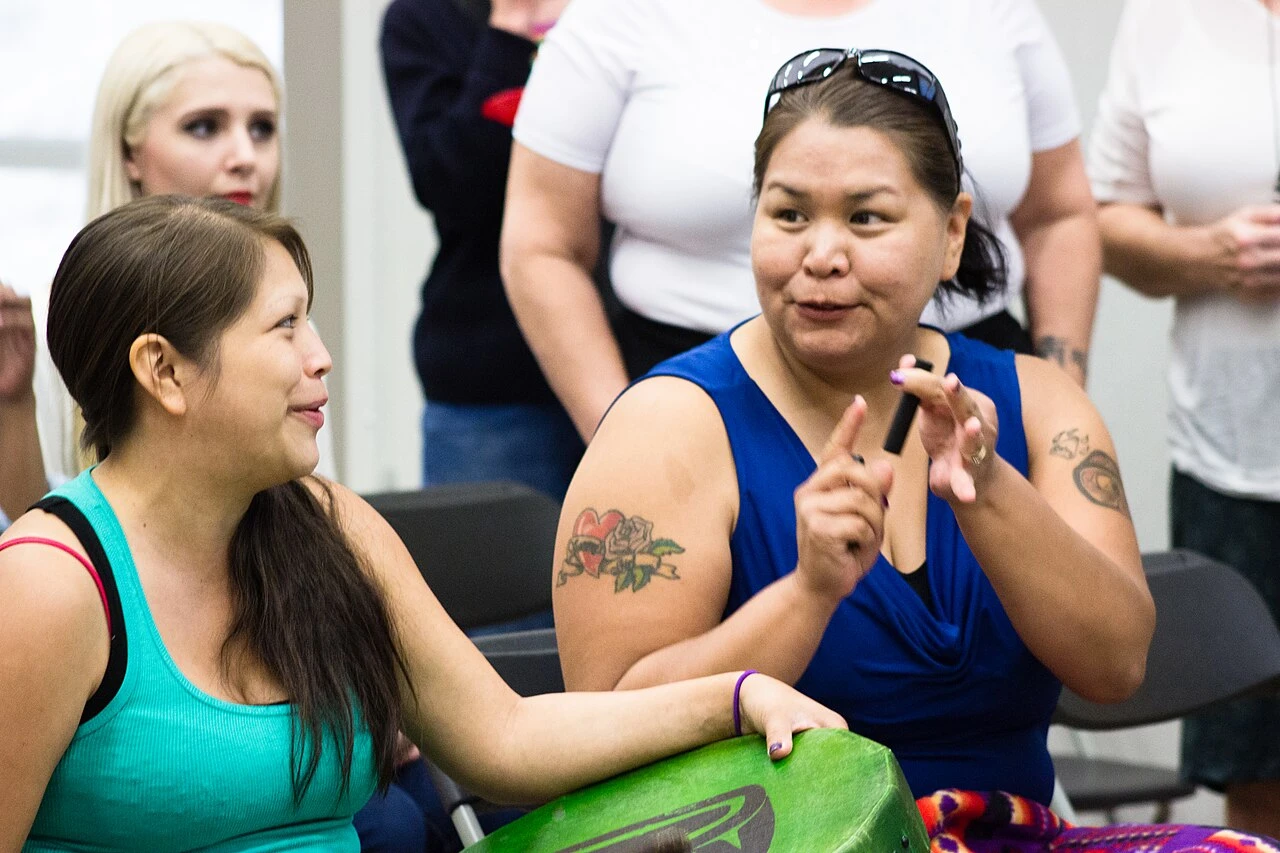
Two attendees in conversation at a National Aboriginal Day celebration at the University of the Fraser Valley

02 · Connect

Family, kinship and community

With appropriate consent and within the care plan, support can include contact with family, siblings, trusted people and community. We identify the relationships the person wants to maintain or strengthen.

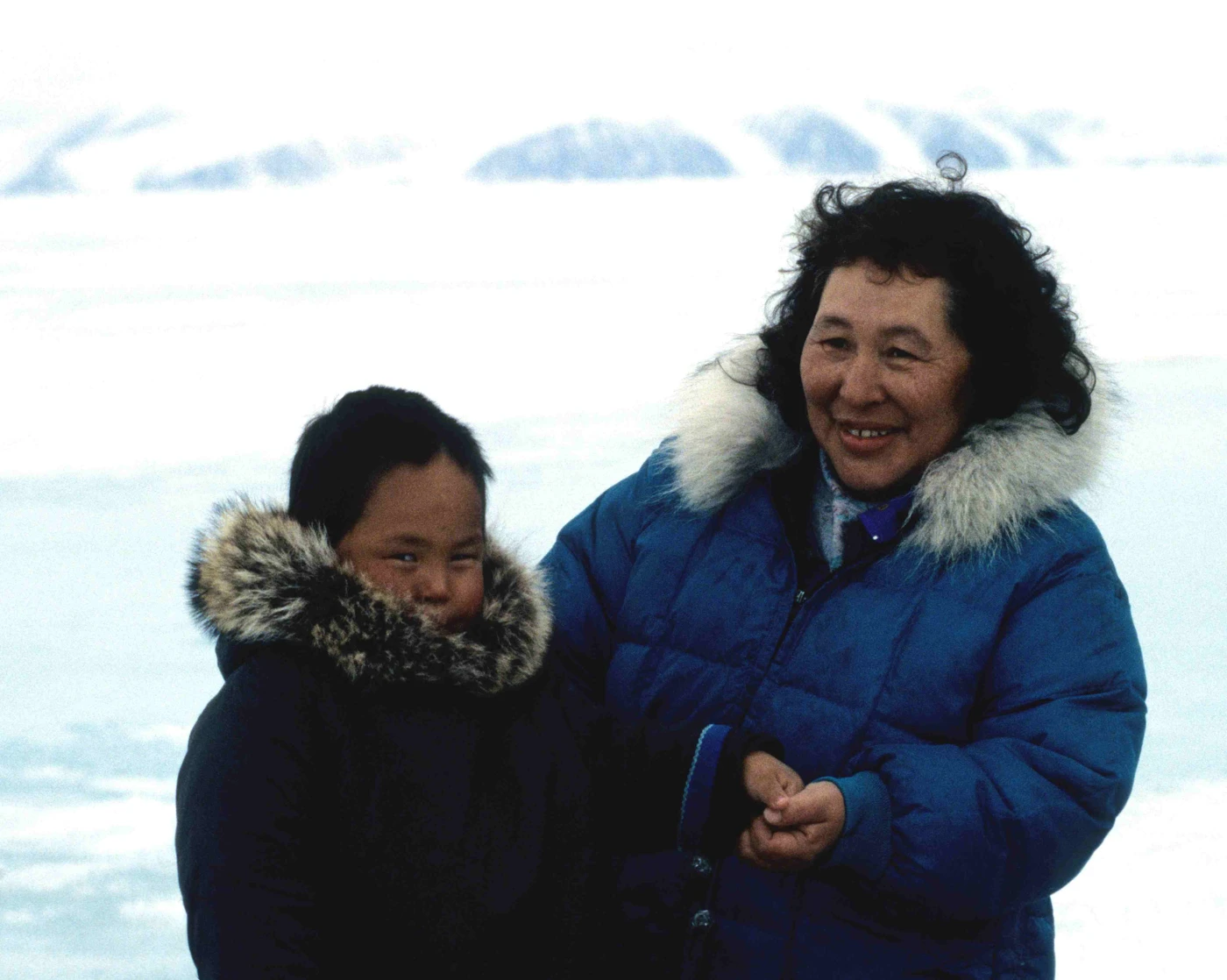
An Inuit grandmother and grandchild outdoors in Nunavut in 1995

03 · Learn

Elders and cultural guidance

When requested and appropriate, planning can explore connections with Elders, Knowledge Keepers or cultural mentors identified by the person, family or Nation. Guidance comes from the people authorized to share it, with respect for local protocols.

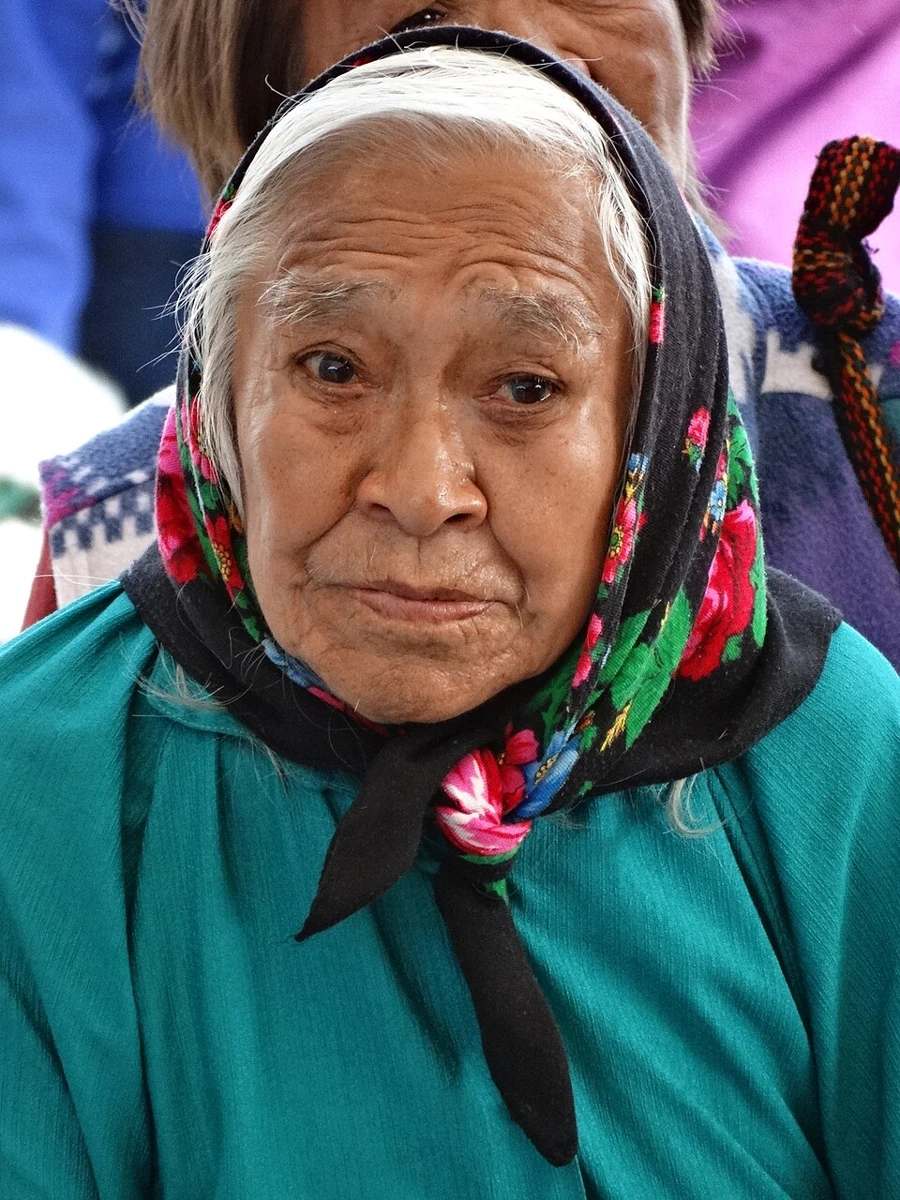
A Gwich’in woman Elder at the Midway Lake Music Festival near Fort McPherson, Northwest Territories

04 · Participate

Culture in everyday life

Meaningful opportunities may include language, familiar food and cooking, art, music, gatherings, time on the land, or spiritual and traditional practices. Activities follow the person’s wishes, comfort and support needs, with appropriate cultural guidance.

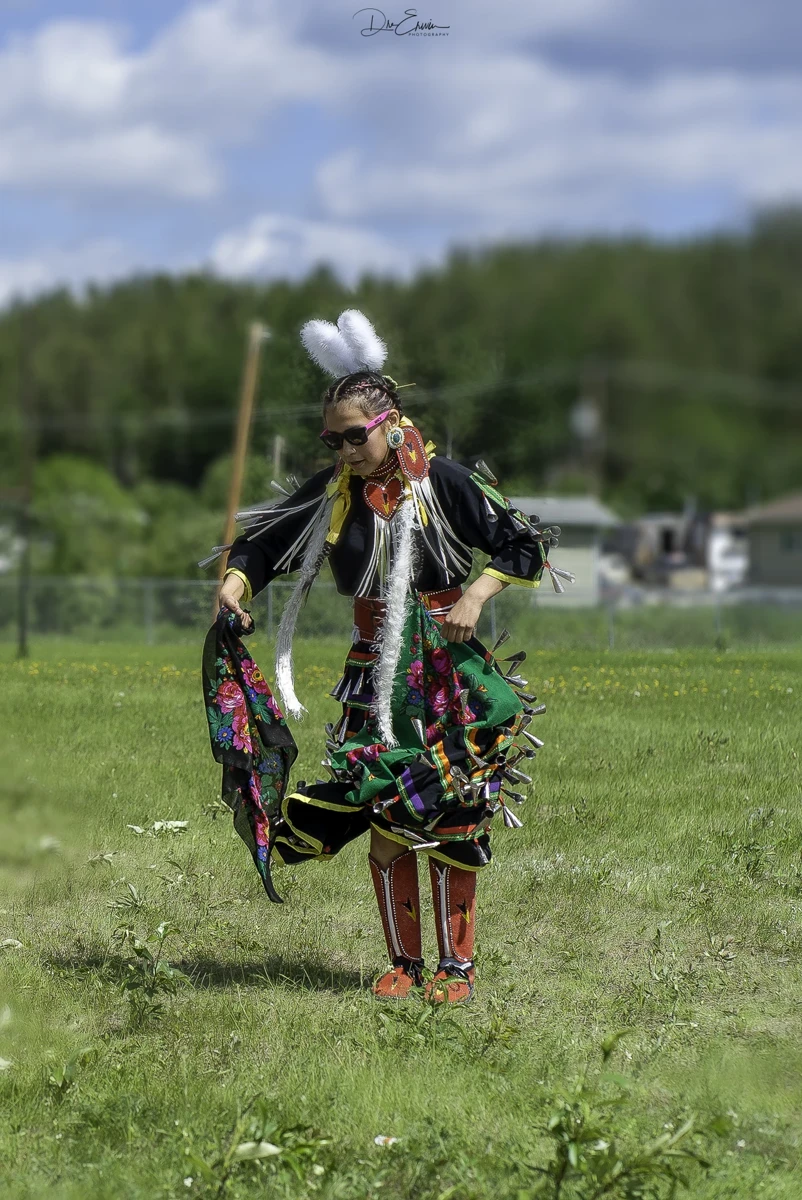
A First Nations youth dancer outdoors in Sandy Bay, Saskatchewan

05 · Respect

Distinct identities and protocols

First Nations, Métis and Inuit peoples have distinct histories, communities and ways of knowing. We avoid assumptions. Teachings, ceremonies and traditions are approached with humility and respect for community guidance and permissions.

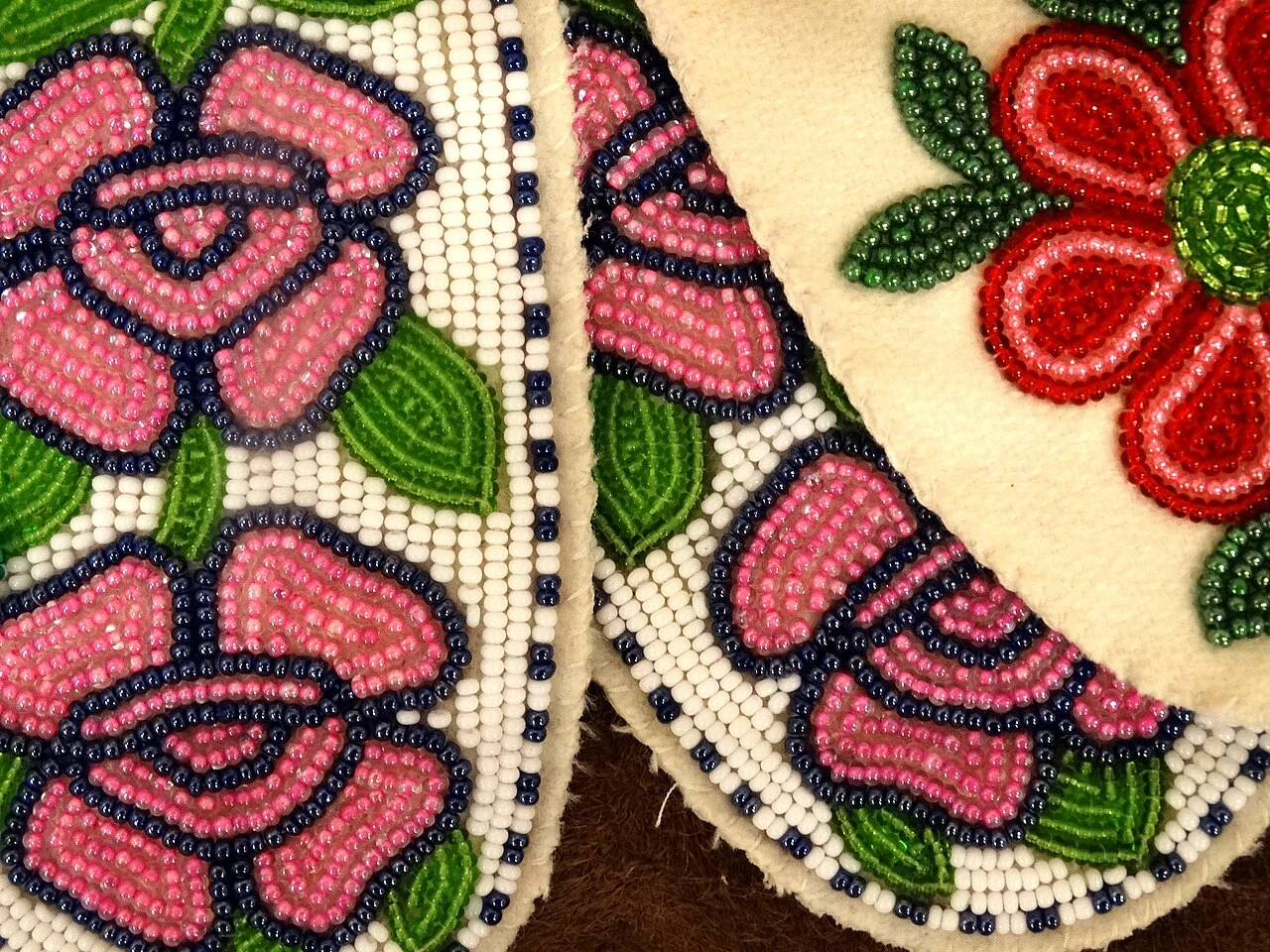
Floral beadwork on moccasins displayed at the Western Arctic Regional Visitors Centre in Inuvik

06 · Continue

Belonging through transitions

Moving homes or preparing for adulthood includes discussion about the connections the person wants to keep. Planning identifies important people, preferred activities and community resources, with agreed responsibilities and appropriate information sharing.

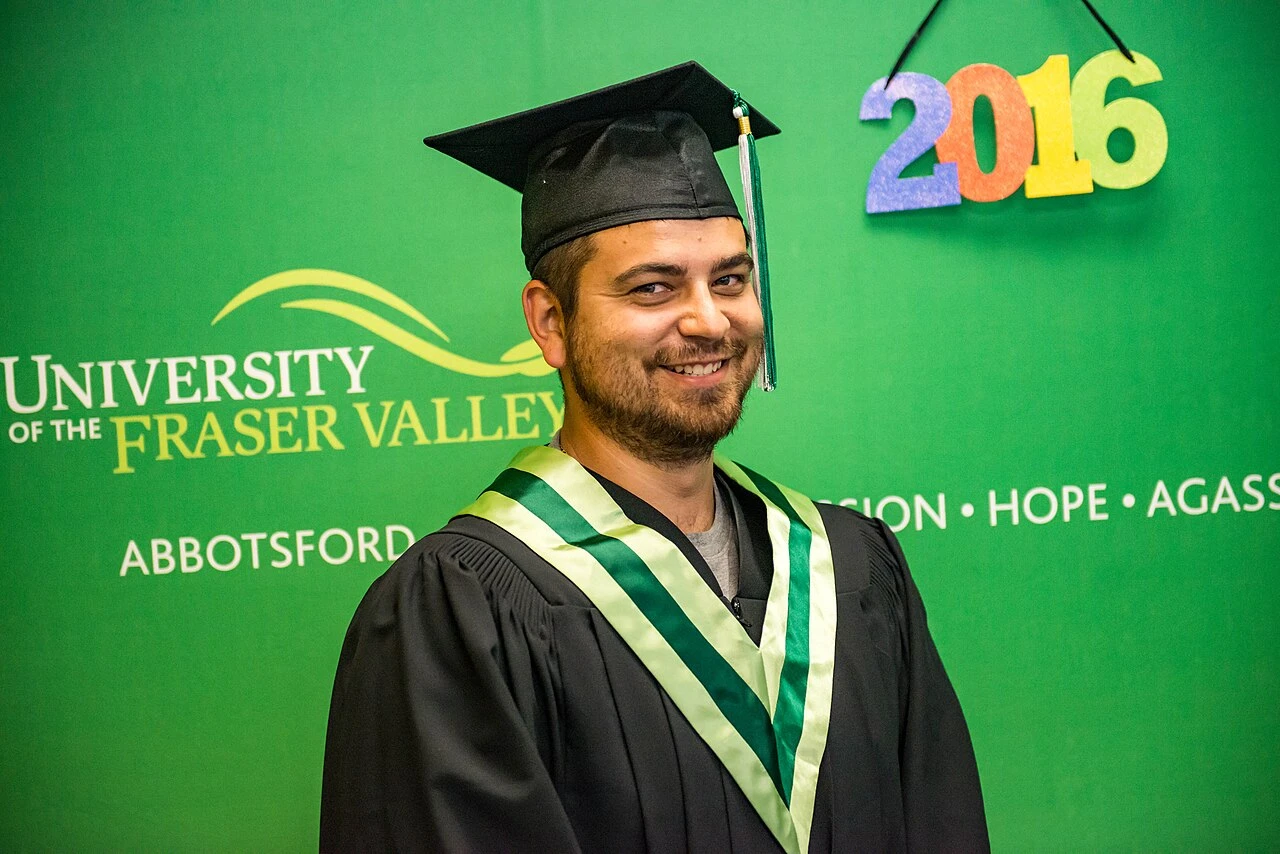
A graduate at the University of the Fraser Valley’s Indigenous graduates celebration

These photographs illustrate community, heritage and life transitions. The people pictured are not presented as Simtiar clients, staff or partners.

Respectful practice and shared accountability.

Staff listen without judgment, respect privacy, maintain professional boundaries and remain willing to learn. Trauma-informed care recognizes that personal, family and historical experiences can affect trust and feelings of safety. We ask rather than assume, respect a person’s choice to participate, and review agreed preferences with the person and authorized care team.

Guidance from the right people

Cultural activities and ceremonies are considered with the individual and the appropriate community guidance. Consent, availability, local protocols and each person’s preferences guide arrangements.

Belonging across all backgrounds

Our wider cultural approach respects people from all cultural and faith backgrounds. Individual language, food, spiritual and community preferences belong in the person’s plan. Shared approaches never replace their own teachings or community guidance.

QUESTIONS & ANSWERS

Culture Continuity Plans & lasting connections.

How we plan with the person, family and appropriate community partners to maintain cultural identity, relationships, language and belonging through life’s changes. Select a question to read more.

Tell us what matters to you.

A first conversation can identify important connections and preferences. Detailed personal information can be shared later through an agreed secure process.

Discuss a referral